Electronics & Labs

ESD Tile Flooring — Conductive & Static Dissipative

Homogeneous PVC tile with conductive carbon distributed through the full thickness. Eighteen decors in 600 × 600 and 900 × 900 mm, 2.0 and 3.0 mm, in a static dissipative grade as standard and a conductive grade on request.

Request a Quote

ESD tile is the modular format of the same construction we supply as sheet. Tile is specified where the floor has to come up: raised-floor grids, service penetrations, and rooms where a single panel may need to be lifted later without disturbing the rest of the floor.

Product Overview

UNITECH NEXUS ESD tile is a homogeneous PVC tile with conductive carbon distributed through the full thickness rather than applied as a surface coating. Wear removes material but does not remove the conductive path, and the surface is maintained by dry buffing rather than by re-coating.

The range covers eighteen references, ESD-6601 to ESD-6618, in two tile sizes and two thicknesses. Both electrical grades are made on the same construction, so the choice of grade does not change the appearance or the installation method. Grade is fixed at order, not at installation.

The range is produced to our specification on a dedicated ESD line and supplied under the UNITECH NEXUS brand. A resistance test report for the batch accompanies every shipment.

Key Features

  • Conductive carbon through the full tile thickness — not a surface coating
  • Static dissipative 106–108 Ω as standard; conductive grade on request
  • Eighteen decors, ESD-6601 to ESD-6618, held as a single construction
  • 600 × 600 and 900 × 900 mm, 2.0 and 3.0 mm
  • Loose panels can be lifted and replaced without re-working the surrounding floor
  • Heat-welded seams with conductive PVC rod for electrical continuity across joints
  • Maintained by dry buffing — no finish or coating required to hold the electrical property
  • Supplied as a system with conductive adhesive, copper foil grid and welding rod
Which Grade

The grade follows the sensitivity of what the room handles. It is not a question of which floor is "better" — a floor that is too conductive can carry current as readily as it carries static.

Grade Selection
Rated resistance (material)Dissipative 106–108 Ω · Conductive 2.5 × 10⁴–106 Ω (on request)
Measurement standardEN 1081:2018+A1:2020 (ex DIN 51953) · ASTM F150
Dissipative is specified wherePeople work around energised equipment and charge must leave the floor at a controlled rate
Conductive is specified whereA discharge of a few hundred volts would damage the product, and charge must leave the floor quickly
Typical dissipative areasServer halls, control rooms, telecom rooms, laboratories
Typical conductive areasComponent handling, electronics assembly, semiconductor, explosive-risk areas

Technical Specifications

Format & Construction
FormatTile (modular)
Size600 × 600 mm · 900 × 900 mm
Thickness2.0 mm · 3.0 mm
Weight3.2 kg/m² (2.0 mm) · 5.4 kg/m² (3.0 mm)
ConstructionHomogeneous, conductive carbon through the body
Decors18 references, ESD-6601 to ESD-6618
Use classificationClass 34/43 (EN ISO 10874, ex EN 685)
Dimensional stability≤ 0.10% (EN ISO 23999 (EN 434))
Residual indentation0.03 mm (2.0 mm) · 0.04 mm (3.0 mm) (EN ISO 24343-1 (EN 433))
Effect of castor chairNo damage (EN 425)
Colour fastnessAt least 6 (ISO 105 B02)
Electrical
Rated resistance, dissipative106–108 Ω
Rated resistance, conductive2.5 × 104–106 Ω (on request)
Measurement standardEN 1081:2018+A1:2020 (ex DIN 51953)
Measurement standard (US)ASTM F150 · method ANSI/ESD STM 7.1
Installed system referenceIEC 61340-4-1 (floor coverings and installed floors)
Programme referenceSuitable for use within an ANSI/ESD S20.20 or IEC 61340-5-1 programme
EarthingCopper foil grid bonded to a verified earth point
Fire classificationDIN 4102-1 / ÖNORM B3810 — B1, B1Q1
Wear resistanceReport available on request — see Documents
Slip resistanceReport available on request — see Documents

Resistance figures are the rated classification of the material, measured to EN 1081 on the tile. Fire, wear and slip classifications depend on the report for the specific construction and are supplied with the quotation rather than asserted here. Resistance reports are available on request for each production batch.

Colour Range

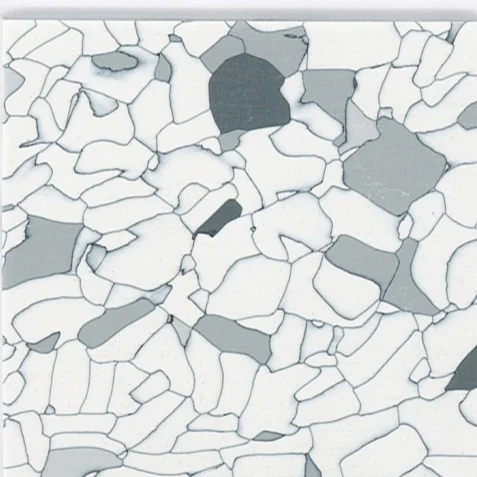
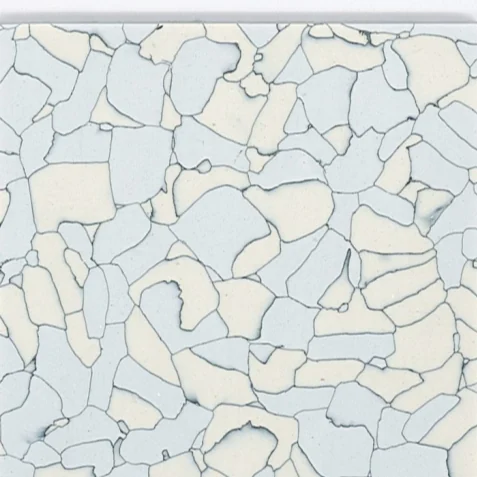
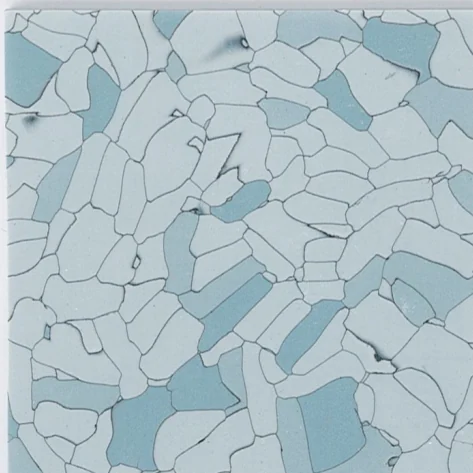
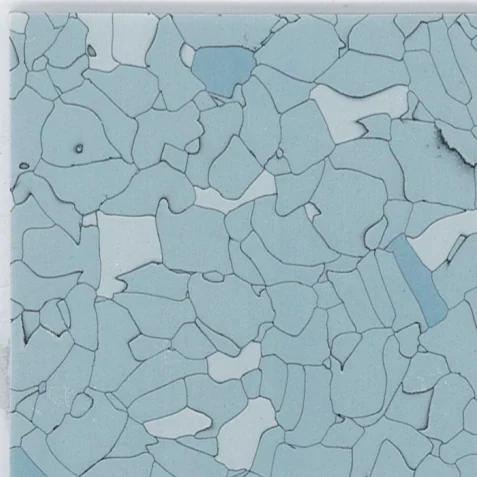
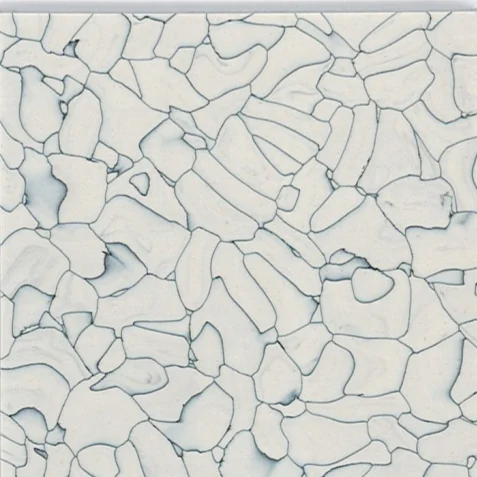
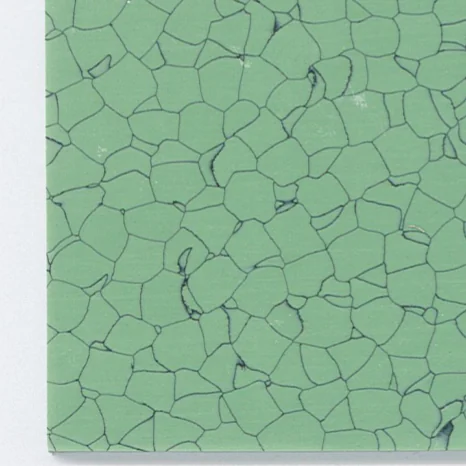
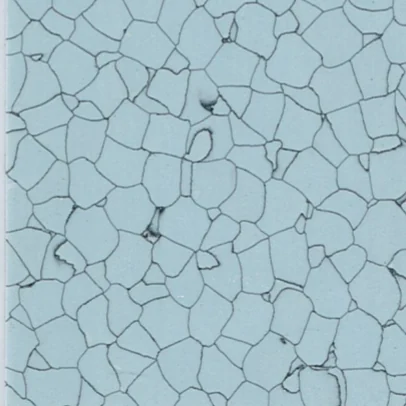
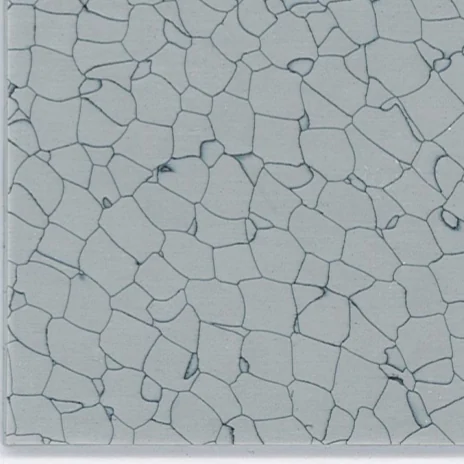
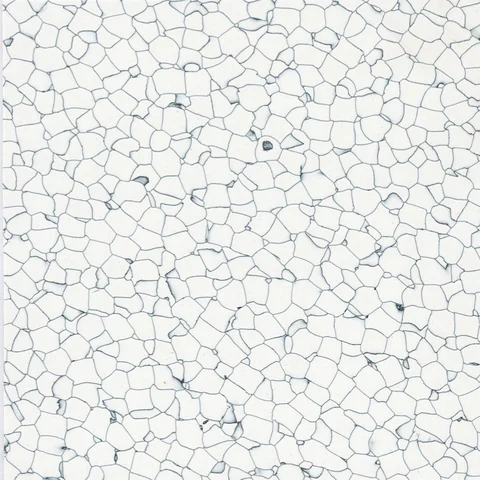
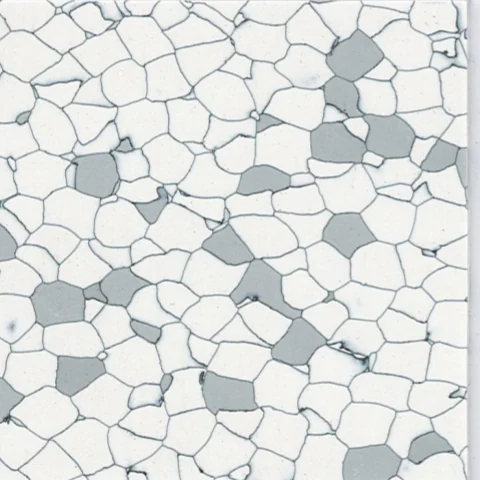
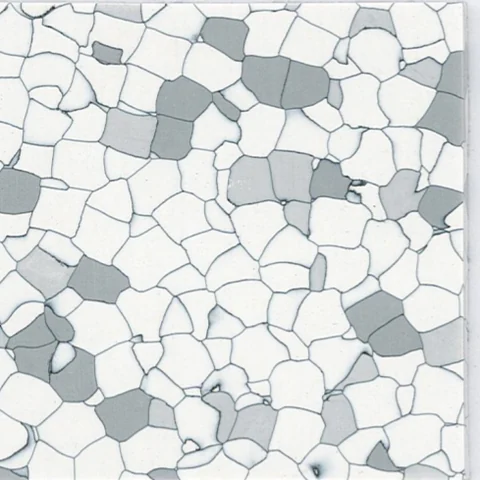
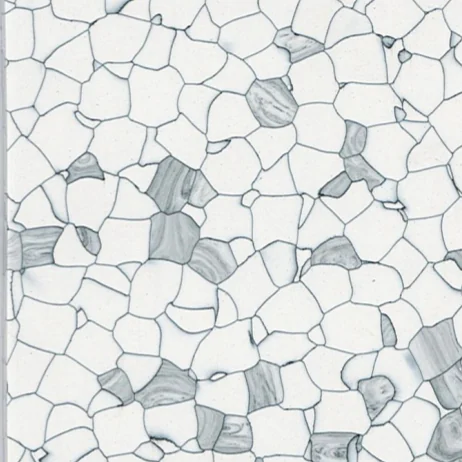
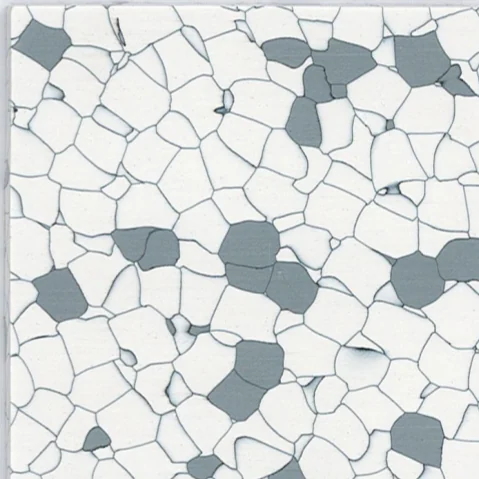
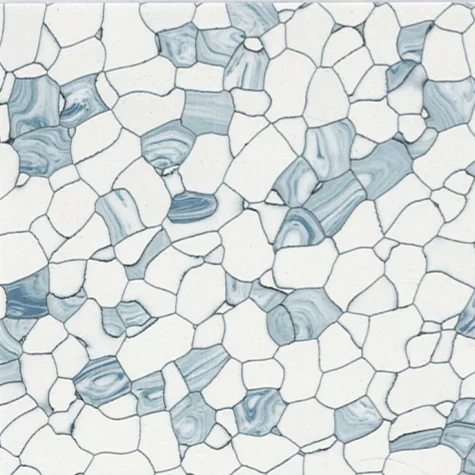
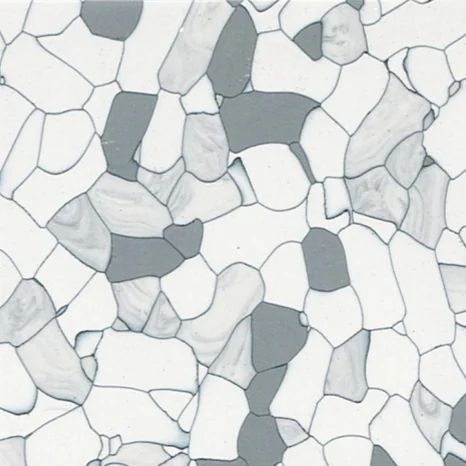
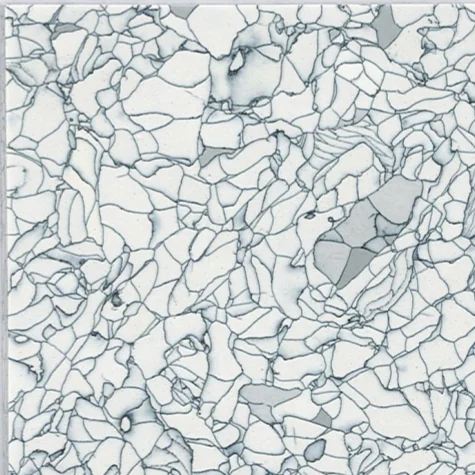
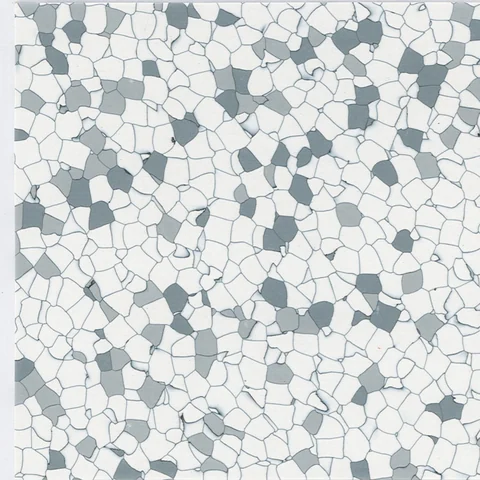
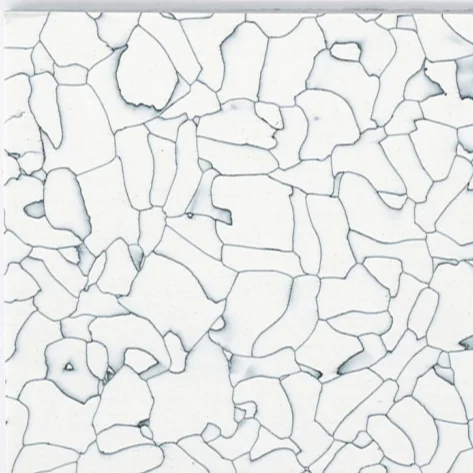
Eighteen decors, one construction. References run ESD-6601 to ESD-6618. Colour reproduction on screen is indicative; physical samples are issued before an order is confirmed.

ESD-6601 ESD vinyl tile
ESD-6601
ESD-6602 ESD vinyl tile
ESD-6602
ESD-6603 ESD vinyl tile
ESD-6603
ESD-6604 ESD vinyl tile
ESD-6604
ESD-6605 ESD vinyl tile
ESD-6605
ESD-6606 ESD vinyl tile
ESD-6606
ESD-6607 ESD vinyl tile
ESD-6607
ESD-6608 ESD vinyl tile
ESD-6608
ESD-6609 ESD vinyl tile
ESD-6609
ESD-6610 ESD vinyl tile
ESD-6610
ESD-6611 ESD vinyl tile
ESD-6611
ESD-6612 ESD vinyl tile
ESD-6612
ESD-6613 ESD vinyl tile
ESD-6613
ESD-6614 ESD vinyl tile
ESD-6614
ESD-6615 ESD vinyl tile
ESD-6615
ESD-6616 ESD vinyl tile
ESD-6616
ESD-6617 ESD vinyl tile
ESD-6617
ESD-6618 ESD vinyl tile
ESD-6618

The Floor Only Works as a System

1 2 3 4 5 6
  1. ESD tile — conductive carbon through the full thickness
  2. Welded seam — conductive PVC rod, hot-welded, keeps continuity across the joint
  3. Copper foil grid — laid in strips across the whole area, not stopped at seams
  4. Conductive adhesive — carbon-loaded, bonds the tile into the earth path
  5. Prepared substrate — primed and level; moisture checked before installation
  6. Earth point — one bonded point per room, confirmed by the electrical contractor

Material value and system value are not the same number. Resistance is tested on the tile. The installed floor is a circuit made of tile, adhesive, copper grid, seams, substrate moisture and the earth point, so the reading at handover is taken across the completed floor — after welding, with the room at its service temperature and humidity — in accordance with IEC 61340-4-1. A tile laid on conventional adhesive reads as an insulator however the tile itself measures, because the bond line breaks the path to earth.

Tile or Sheet

Format Selection
PointSheetTile
Format2.0 m roll, 20 m length600 × 600 / 900 × 900 mm
SeamsFew, long runsMore joints, all welded
Best forLarge open areas, continuous runsRaised floors, service penetrations, irregular layouts
Lifting a panelNot practicalSingle tile can be lifted and replaced
ReferenceESD vinyl sheetThis page

Not sure which format the room needs? Read the selection guide.

Where ESD Tile Is Specified

Documents Supplied

Ask for the reports before the order is placed, not after. Any figure we publish is a material classification; the figure that matters at handover belongs to the finished installation.

Frequently Asked Questions

Conductive or dissipative — which one do I need?

Look at what the room handles and how people work in it. Where a discharge of a few hundred volts would damage the product, and charge has to leave the floor quickly, the conductive grade is specified. Where people work around energised equipment, the dissipative grade is usually the safer choice, because it moderates the rate of flow instead of allowing it freely. Both are made on the same construction, so the decision does not change the appearance or the installation method.

Is lower resistance always better?

No. A floor that is too conductive can carry current as readily as it carries static, which is a hazard where energised equipment is present. Selection is a match to the standard and the room, not a competition for the lowest reading. This is also why the same construction is offered in two grades rather than one.

Does the tile work without the copper grid?

No. A tile laid on conventional adhesive is insulated from the substrate by the bond line and the finished floor reads as an insulator on a resistance meter, whatever the tile itself measures. The conductive adhesive and the copper foil grid are part of the product for that reason, not an optional upgrade.

What resistance will the finished floor read?

That depends on the adhesive, the grid layout, the seams and the moisture content of the substrate, so it is measured across the completed floor after welding rather than assumed from the tile. We publish the material classification; the handover reading belongs to the installation and is taken on site in accordance with IEC 61340-4-1.

Which standards apply to ESD tile?

Material resistance is measured to EN 1081:2018+A1:2020 (ex DIN 51953) in Europe and ASTM F150 in the United States, with ANSI/ESD STM 7.1 as the measurement method. Installed floors are assessed under IEC 61340-4-1, which covers floor coverings and installed floors together. ANSI/ESD S20.20 and IEC 61340-5-1 are programme standards for the facility, not product certifications, so a floor is specified to suit the programme rather than “certified” to it.

Complete the System

Request a Sample & Technical Datasheet

We will send a physical sample of the decor and the current batch resistance report for evaluation. MOQ on request.

Request Now Chat on WhatsApp